


The Baseball Uniform Sizing Guide for Team Orders

Updated: Sep 14
A uniform order can look simple until one wrong measurement leaves a player tugging at a tight jersey. Running in pants that bunch at the ankle, or waiting on a replacement before opening day. A consistent process protects comfort, mobility, and the team schedule.
For reliable baseball uniform sizing, measure each player's chest at the fullest point with arms relaxed, waist at the natural waist with the tape slightly loose. Inseam from the top of the inner thigh to the ankle, and head circumference for the cap. Compare those measurements with the manufacturer's team uniform sizing charts, then account for the intended fit, cut, and room to move.
That approach gives coaches and team managers a dependable starting point for ordering custom baseball uniforms, especially when players are still growing or joining late. The next step is turning those measurements into a clean, repeatable roster process that keeps every player's fit easy to verify.
How to Measure Players for Baseball Uniform Sizing
Accurate measurements give a coach or team manager a dependable starting point for choosing jerseys, pants, and hats. They also make the final order easier to review when a roster includes players with different builds or fit preferences. For consistent baseball uniform sizing, measure every player the same way, record the results immediately. And compare each measurement with the supplier's chart rather than relying on a player's usual clothing size.
Use a flexible tape measure and have players wear a thin shirt and lightweight athletic shorts or fitted pants. The player should stand naturally without holding in the stomach, lifting the shoulders, or pulling the tape tight. A second person should take the measurements so the tape stays level and the player remains relaxed. The following process covers the measurements most teams need for a complete uniform order.
Measure the chest for the jersey
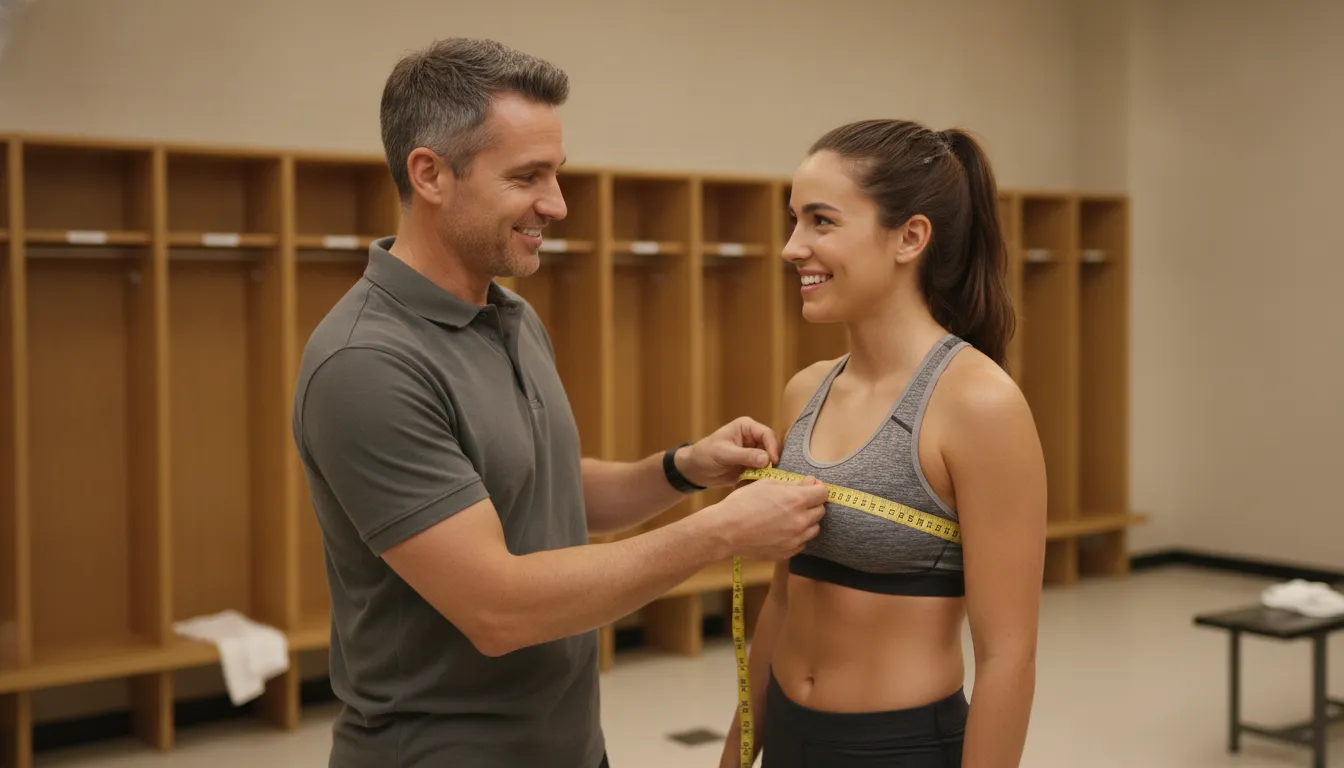
Have the player stand upright with both arms relaxed at the sides. Wrap the tape around the fullest part of the chest, keeping it level across the back and under the arms. The tape should touch the body without compressing it. According to the Fort Hays State University measurement guide, the chest is measured around its fullest part with the arms relaxed. Record the measurement to the nearest inch, and note whether the player wants a traditional game fit or additional room for layering and movement.
Do not measure over a bulky hoodie or jacket. Extra fabric can make the jersey selection too large, while a tape pulled tightly can produce a restrictive size. If a player falls between chart sizes, use the cut and intended fit to guide the decision, then confirm the choice against the garment's sizing information.
Measure the natural waist for pants
Ask the player to stand normally and locate the natural waistline, rather than measuring over the widest part of the hips or across the waistband of loose clothing. Wrap the tape around the waist and keep it level. Leave the tape a little loose so it does not press into the body. This follows the Fort Hays State guide's instruction to measure around the natural waistline with the tape kept a bit loose.
Write down the number before the player changes position. A player who pulls in the stomach or twists during the measurement can create an inaccurate result. For youth teams, consider scheduling a final measurement check close to ordering time because growing players may change size during a season.
Measure the inseam for baseball pants
Have the player stand with feet about hip-width apart and weight distributed evenly. Place the end of the tape at the top of the inner thigh, where the legs meet, and measure straight down to the bottom of the ankle. The Fort Hays State measurement guide identifies this route as the correct inseam measurement. Keep the tape vertical and avoid following the curve of the leg.
Record the inseam separately from the waist measurement. Two players can share a waist size while needing different pant lengths. Also note the team's preferred pant appearance, such as a longer fit over the shoe or a more traditional baseball length. The measurement helps select the base size. While the team's fit preference helps prevent an order that feels right at the waist but looks or moves poorly at the ankle.
Measure the head for the hat
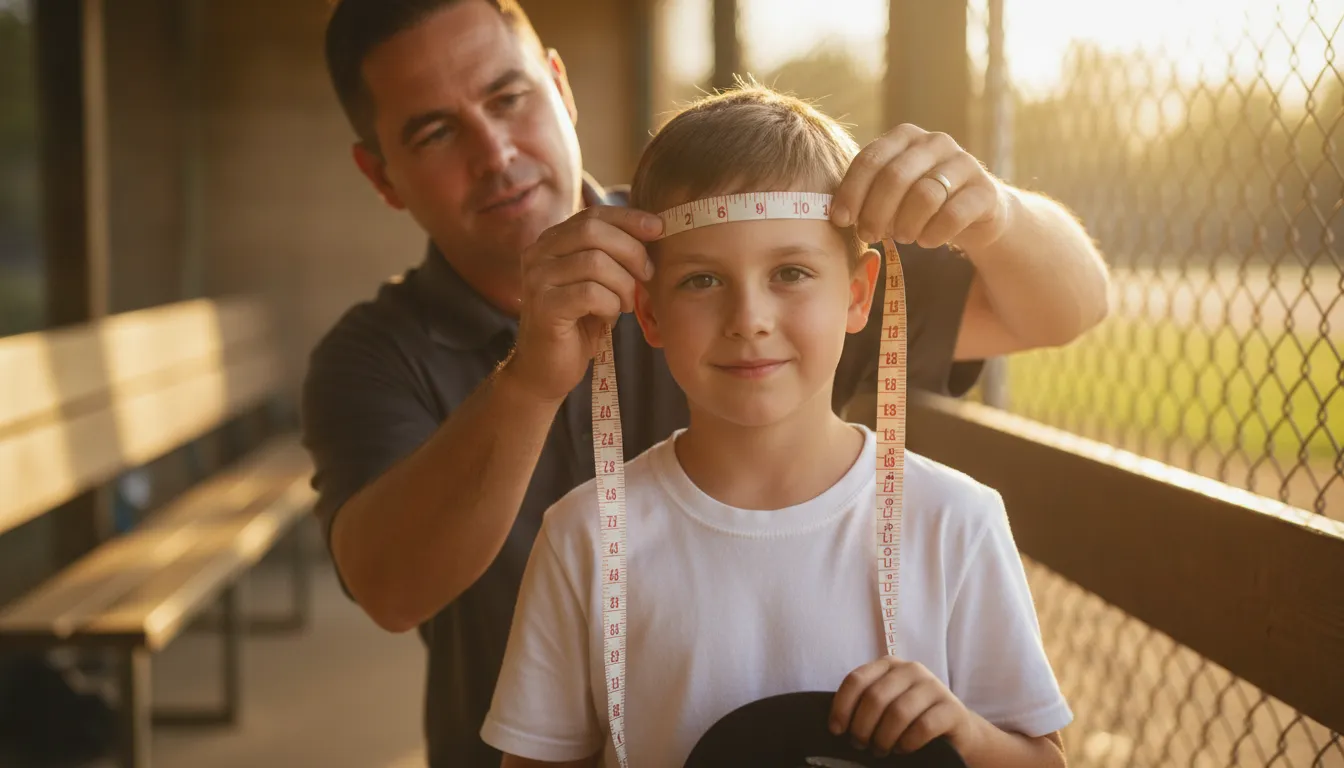
Wrap the tape around the player's head at the point where the hat will sit, typically just above the eyebrows and ears. Keep the tape level and comfortably snug, not tight. Record the circumference in inches. For fitted hats, compare that number with the manufacturer's head-size chart. For adjustable caps, the same measurement still helps the team choose an appropriate starting size and avoid an overly loose or shallow fit.
Once all four measurements are recorded, enter them in a team roster sheet with the player's name and any fit notes. Review the chest, waist, inseam, and head measurements against the relevant team uniform sizing charts. A consistent record lets the ordering manager catch unusual entries before submitting the roster and gives the uniform provider clear information if a measurement needs confirmation.
Baseball Jersey Sizing: Get the Fit Right Before You Order
Chest measurement is the starting point for baseball uniform sizing, but the number on the tape is only part of the decision. A jersey also needs enough room for a player's swing, throwing motion, and preferred base layer. Measure around the fullest part of the chest with the player's arms relaxed at the sides. Then compare that measurement with the supplier's chart rather than relying on a familiar streetwear size. Uniforms Express provides team uniform sizing charts to help translate measurements into an order.
Do not assume that every jersey cut fits the same way. Men's jerseys generally use a straighter cut through the torso. Women's jerseys typically taper at the waist for a more curvy fit. Choosing the wrong cut can create gaps, tightness, or discomfort, even when the chest measurement appears correct. This distinction is especially important when a team offers multiple cuts or when players are ordering individually. The baseball uniform sizing guidance from Experto Wears also notes that fit affects how comfortably players can move.
Fit choice | Best for | Sizing approach | What to check |
Traditional loose | Players who want classic room through the torso and sleeves | Use the chest measurement, allowing practical ease for movement | Make sure the hem and sleeves do not catch or restrict during play |
Athletic | Players who prefer a closer shape without a compressed feel | Choose the chart size that matches the chest, not a smaller size for appearance | Confirm free shoulder movement and no pulling across the chest |
Compression layering | Players wearing a fitted undershirt beneath the jersey | Add about an inch to the chest measurement when the base layer needs room | Check that sleeves, armholes, and torso remain comfortable through a full motion |
Choose room for movement, not just appearance
A loose jersey can be the right choice for a player who layers, prefers a traditional baseball silhouette, or needs more room through the shoulders. A closer athletic fit may suit a player who wants less fabric, provided the jersey does not pull across the chest or bind at the arms. If a compression shirt or other undershirt will be worn underneath, allow roughly an additional inch in the chest instead of ordering the jersey to the bare-body measurement. That small adjustment can prevent a comfortable jersey from becoming restrictive on game day.
Look beyond the torso when checking a sample. Raise both arms, rotate the shoulders, simulate a swing, and make a throwing motion. Tight sleeves can interfere with a swing or throw, while an overly short or poorly positioned jersey can make a player feel exposed and distracted. High hip numbers can also interfere with movement. Proper fit supports comfort, mobility, and safety, so a size that looks acceptable while standing still is not necessarily the right game fit.
Standardize the process across the roster
For a team order, record each player's chest measurement, selected cut, and layering preference in the same format. Have players measure in similar clothing and review outliers before submitting the order. A coach or team manager should confirm whether a player wants a traditional loose fit or a closer athletic fit. Rather than allowing each person to interpret those labels differently. This is particularly useful for growing athletes, whose measurements can change between seasons.
The goal is not to choose the biggest jersey. It is to choose the cut and size that give each player controlled freedom of movement without unnecessary fabric. A careful chest measurement, an intentional cut selection, and a quick movement check will make the final roster more consistent and reduce avoidable sizing corrections.
Baseball Pant Sizing: Inseam and Fit Matter
Pants need to stay secure through a sprint, slide, and defensive play without limiting a player's stride. That makes pant sizing a separate decision from jersey sizing, even when both pieces are ordered as one uniform set. A player can wear the correct jersey size and still need a different pant size or length. Treat each measurement as its own data point, then review the complete uniform together before submitting the team order.
Start with an accurate inseam measurement
For the inseam, measure from the top of the inner thigh down to the bottom of the ankle. Fort Hays State University's measurement guidance uses this inner-thigh-to-ankle method, which gives you a consistent starting point for selecting pant length: review the official inseam measurement method before measuring the roster.
Have the player stand naturally with feet about shoulder-width apart. Keep the tape straight along the inside of the leg rather than following the curve of the calf. Record the result in the unit required by your supplier's chart, and measure both legs if a player's stance or posture appears noticeably uneven. The goal is not to force every athlete into one standard length. It is to reduce bunching at the ankle, excessive break over the cleat, or a hem that rides too high during play.
Check the waist and decide how the pants should sit
Measure around the player's natural waistline and keep the tape a little loose. The waistband should hold the pants in place without digging in when the player bends, runs, or wears the usual underlayer. Avoid sizing from a pair of casual pants alone. Their rise, stretch, and waistband construction may differ from baseball pants, so a garment label is a useful reference but not a replacement for a current body measurement.
Fit preference also matters. A traditional baggy cut leaves more room through the seat and thigh and may suit teams that prioritize a relaxed, classic baseball silhouette. A tapered or modern cut narrows toward the lower leg and creates a cleaner profile, but it should still allow a full squat, running motion, and comfortable slide. Neither choice is automatically right for every roster. Confirm the team's preferred cut before collecting final sizes so players are not comparing measurements against different fit expectations.
- Inseam:
Measure inner thigh to ankle and compare the result with the available length options.
- Waist:
Measure at the natural waist with the tape loose enough for comfortable movement.
- Silhouette:
Choose baggy or traditional, or tapered and modern, based on team preference and mobility needs.
- Cleats and underlayers:
Consider how the pants will sit during play, not only while the player stands in socks.
Make youth adjustments without guessing
Youth rosters change quickly. Growing players may not match the measurements recorded earlier in the season. And a late addition should not be assigned a size based only on a teammate's age or height. Re-measure each player close to the order date, especially when the uniform must last through a full season. If a youth player falls between sizes, compare the waist, inseam, and intended fit rather than automatically sizing up. Extra room may help with growth, but too much length or a loose waistband can affect movement and create avoidable distractions.
Accurate baseball uniform sizing depends on pairing pant measurements with jersey measurements, not treating the jersey size as a shortcut for the entire set. The chest measurement guides jersey selection, while waist and inseam guide pants. Review both against our team uniform sizing charts, then confirm that the selected jersey cut and pant silhouette match the player's movement needs. That simple cross-check helps coaches place a more reliable order and take advantage of a fast custom-uniform production schedule without letting sizing errors delay the season.
Baseball Hat Sizing by Head Circumference
A baseball cap should stay secure through a sprint, slide, and full defensive inning without squeezing the player's forehead. The most reliable starting point is head circumference, not age or jersey size. Add this measurement to your baseball uniform sizing process so each player receives headwear that looks intentional and performs comfortably.
To measure, use a soft measuring tape and have the player stand naturally. Wrap the tape around the widest part of the head, positioning it just above the ears and across the eyebrows. Keep the tape level from front to back and snug against the head without pulling it tight. Record the measurement in inches or centimeters, then compare it with the cap manufacturer's sizing chart. If you do not have a soft tape, use a strip of string, mark the overlap, and measure the string against a ruler.
Fitted caps require a more precise measurement
A fitted cap is made for a specific head size, so small differences matter. Many fitted baseball caps use fractional size increments, commonly ranging from about 6 7/8 through 7 3/4, although the available range depends on the style and manufacturer. Never assume that a player's previous cap will match a new one. Measure again, especially before a new season or when ordering for growing athletes.
When a measurement falls between two listed sizes, review the manufacturer's guidance before choosing. A cap that is too small can create pressure and leave a visible mark. One that is too large may shift during play, sit unevenly, or require constant adjustment. For authoritative guidance on converting head circumference to fitted cap sizing, use New Era's sizing chart and follow the measurement method supplied for the selected cap style.
Adjustable caps offer flexibility, but still need a starting size
Adjustable snapback, hook-and-loop, and stretch-fit caps can accommodate a wider range of players. They are useful for youth teams, replacement orders, and rosters where measurements may change during the season. Even so, an adjustable cap should not be treated as one-size-fits-all. Start with the player's circumference, then select a cap whose adjustment range leaves room to tighten or loosen it without distorting the crown.
Fit also affects the team's on-field look. Caps worn at inconsistent angles or repeatedly pushed back can make a uniform set appear mismatched. A properly fitted cap sits level, frames the face, and stays in place while the player moves. For a complete reference across headwear, jerseys, and pants, use the team uniform sizing charts when consolidating measurements for the order. Collecting the measurement for every player, rather than estimating from a roster's age groups, gives your team a cleaner fit and fewer last-minute corrections.
Common Sizing Mistakes to Avoid for Team Orders
The most expensive uniform problem is often preventable: ordering from old measurements, guessing for a new player, or treating every athlete's fit the same. A reliable baseball uniform sizing process gives coaches and team managers a current record for every player, then uses that record before the order is submitted. That extra step protects comfort, mobility, and the schedule. An overly tight sleeve or restrictive pant can interfere with a swing or throwing motion, while a poor fit may create an avoidable tripping risk. Sizing errors can also lead to refits costing minor-league teams an estimated $5,000 to $7,000 per year.
Do not reuse last season's measurements
Player information from the previous season is a useful starting point, not a final answer. Growing teenagers can change noticeably from year to year, and a size that fit in spring may be restrictive by the next season. Record a new chest, waist, and inseam measurement for each player, even when the roster appears unchanged. Take measurements with the athlete standing naturally and wearing light clothing. For a jersey, measure around the fullest part of the chest with the arms relaxed. For pants, measure from the top of the inner thigh to the bottom of the ankle. Measure around the natural waistline while keeping the tape slightly loose. These methods follow the measurement guidance from Fort Hays State University, rather than relying on a player's usual T-shirt or jeans size.
After collecting the numbers, compare them with our team uniform sizing charts and review the intended fit. A player who needs room to move, layer, or continue growing may need a different choice from an athlete who prefers a closer game fit. Do not assume a single cut works for everyone, either. Men's jerseys generally use a straighter cut, while women's jerseys taper more at the waist. The wrong cut can create gaps, tightness, or discomfort even when the nominal size appears correct.
Plan for growth and late roster changes
Youth teams should account for normal growth without ordering so large that the uniform becomes unsafe or difficult to play in. When the size chart and current measurements place a growing player between sizes, ordering a size up can provide useful room for the season. Confirm that the shoulders, sleeves, waistband, and pant length still allow unrestricted movement. A larger size is not a substitute for checking the complete fit.
Late additions create a separate risk. Players joining through a call-up, trade, or roster change may be sized hastily, and rushed estimates are easy to get wrong. Keep a simple measurement form ready so a new player can be measured immediately. Then send the current numbers to the uniform provider instead of copying a teammate's size. Build a final roster review into the ordering calendar. Before the approval deadline, ask every player or parent to confirm the measurements, cut, size, and name or number details. That final confirmation is especially important when using a careful process for ordering your baseball uniforms correctly.
Accurate measurements make fast custom production more useful because the team is not spending that time correcting avoidable sizing errors. Take every player's current measurements, allow appropriate room for growing youth, and confirm the complete order before the deadline.
Frequently Asked Questions
How do you size baseball jerseys?
Start with the player's chest measurement, then compare it with the manufacturer's jersey chart. Measure around the fullest part of the chest while the player's arms rest at the sides. Choose the cut as well as the size: men's jerseys generally have a straighter shape, while women's jerseys taper more at the waist. Allow enough room for a full swing and the layers the player will wear underneath.
Should baseball pants be baggy or tight?
Baseball pants should provide comfortable movement without sagging, pinching, or creating excess fabric that can catch during play. The right fit depends on the team's preferred look and the player's position, but the waistband should stay secure and the legs should allow a full stride. Use the player's waist and inseam measurements rather than guessing from age or jersey size.
How do you measure a player for baseball uniform sizing?
Take measurements over a light layer with the player standing naturally. Measure the chest at its fullest point, the natural waist with the tape slightly loose. And the inseam from the top of the inner thigh to the bottom of the ankle. These methods follow the Fort Hays State University measurement guide: review its measurement instructions. Record each measurement before checking the uniform chart.
How do you choose the right size for youth baseball pants?
Measure the player's current waist and inseam, then check both against the youth pant chart. Do not size up several sizes for growth, because an oversized waistband or long inseam can affect movement and safety. If the season is months away, recheck measurements before finalizing the order, especially for rapidly growing players.
Are baseball jerseys true to size?
Not always. Jersey proportions and cuts vary by manufacturer, and a player's preferred fit can change the best choice. Compare measurements with the specific chart, confirm whether the jersey is men's or women's cut, and have the player try on a similar fit when possible. For a team order, use the same measurement method for every player and flag borderline sizes for review.
Ready to Order the Right Baseball Uniforms?
Accurate measurements make it easier to build a consistent team look and reduce sizing surprises when uniforms arrive. To request a quote for custom baseball uniforms, call Uniforms Express at 888-661-7044. Share your roster details, preferred fit, and uniform needs, and our team can help you take the next step with confidence.
Comments