


Best Custom Track Singlets for High School: A Coach's Buying Guide

A singlet that rides up during warmups or arrives after the first meet can make a season feel disorganized before it begins. The best custom track singlets for high school teams balance comfortable movement, appropriate coverage, recognizable school identity, and an order plan that gives coaches time to verify sizes and artwork.
What should coaches look for in a high school track singlet?
Start with what athletes need to do in the garment: run, accelerate, reach, and move through warmups without adjusting it constantly. Then check coverage, construction, design clarity, and coordination with the rest of the kit. Compare the exact garment and its published details; do not assume every cut, fabric, or decoration option performs the same way.
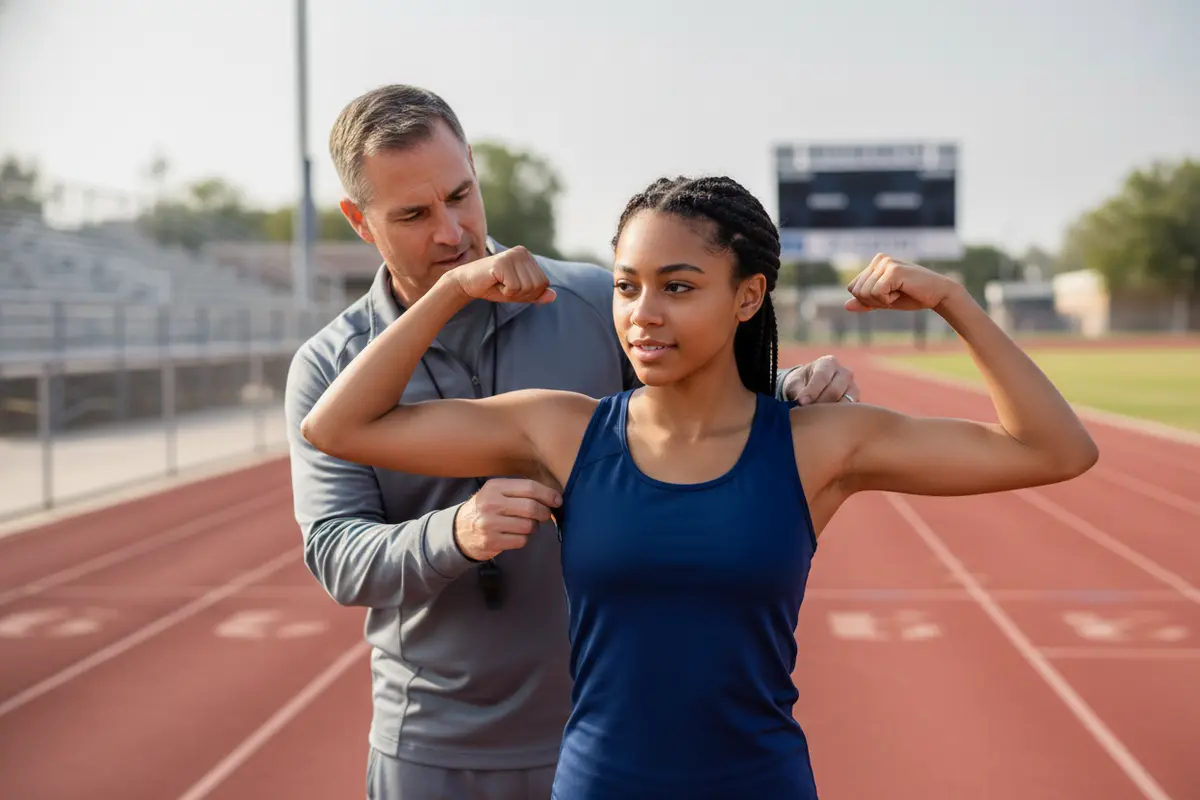
A product image cannot tell you whether the neckline feels comfortable during a workout or whether the hem shifts when an athlete reaches overhead. If samples are available, test them in motion. Have a few runners with different fit preferences try the garment, jog briefly, swing their arms, bend, and reach. Ask them to describe specific issues such as pinching, excess movement, or insufficient coverage rather than asking whether they simply “like” the singlet.
Fit should support both movement and confidence. Check the neckline, arm openings, torso length, side coverage, seams, and how the garment sits when the runner bends forward. Keep feedback respectful and focused on the garment. Do not assume that a casual shirt size will translate directly to a close-fitting athletic style, and do not treat one athlete’s preference as a universal sizing rule.
Consider the complete uniform, not just the top. A singlet should coordinate with shorts and any warmup apparel the team will use at meets. Review the track uniform options as a product starting point, then confirm details for the specific style under consideration. A coordinated kit can make the team look organized without requiring a crowded design.
Before finalizing any design, check the rules that apply to your league, state association, and meet. Requirements can depend on the event and governing body, so coaches should consult the current rule materials provided by their association rather than relying on a supplier page or an old uniform. The National Federation of State High School Associations is a starting point for identifying high school sport guidance; confirm the applicable track and field rules with your state association and meet officials.
Which singlet features should a team compare?
Compare every candidate against the same criteria so an attractive rendering does not distract from fit, coverage, or order questions. Record which judgments come from a sample, product details, or a proof, and which remain assumptions. This makes follow-up questions clear and helps staff and athletes discuss practical trade-offs rather than impressions alone.
Decision area | What to inspect | Question to resolve |
Fit and movement | Neckline, arm opening, length, stability during movement | Can runners complete warmups without adjusting the garment? |
Coverage | Torso and side coverage while standing, bending, and reaching | Does the cut meet team comfort and applicable rules? |
Fabric and care | Fabric information, stretch, feel, and supplied care directions | What details are confirmed for this exact style? |
Decoration | Letter size, contrast, placement, and number treatment | Can teammates and spectators read key identifiers? |
Coordination | Singlet colors alongside shorts and existing apparel | Does the full kit look intentional together? |
Order readiness | Style-specific sizing, artwork approval, counts, schedule | What must be settled before the order is submitted? |
Use a single scorecard for each option. A simple scale—such as needs review, acceptable, or strong—is often more useful than false precision. Add a note explaining each rating. “Looks comfortable on screen” is an assumption; “two runners tried the sample and reported no restriction during arm swings” is an observation. The distinction tells the coach what to verify next.
Fabric and care deserve specific questions. Ask what fabric information is available for the selected garment, how it is constructed, and what washing guidance the manufacturer supplies. Avoid relying on broad terms such as “performance” as a substitute for details. If the team expects frequent practice use, explain that context when comparing styles. Save the care instructions with the order records so families receive consistent guidance.
Decoration should be legible at a normal viewing distance. Review the school name, mascot, and any required number placement against the base color. Small lettering and fine outlines may disappear in a crowded design or at a distance. Request a proof at a useful scale and ask which decoration methods fit the exact garment and artwork. Do not presume that every method is available or appropriate for every style.
How can a team choose a comfortable fit and readable design?
Set the functional requirements before debating colors or graphics. Ask what coverage and movement the roster needs, then review the design for clear school identification and a coordinated look. A small, structured review with athletes and staff can surface concerns early, while the coach or authorized school representative retains responsibility for the final decision and rule checks.
Write a short design brief before requesting artwork. Include official school colors, the preferred school name or mascot, any number requirements, and the other pieces that should coordinate. Identify who has authority to approve branding and whether existing school guidance applies. Decide whether the new singlet should match a current uniform or introduce a refreshed look. A concise brief gives everyone the same starting point and reduces conflicting revision requests.
For feedback, select a representative group rather than asking only the most vocal athletes. Have each person assess movement and coverage using the same simple sequence: stand naturally, raise both arms, bend, and jog or complete a brief warmup. Record comments by feature, not by describing a person’s body. If there is a concern, clarify whether it relates to size, garment cut, or the athlete’s preferred fit before changing the design.
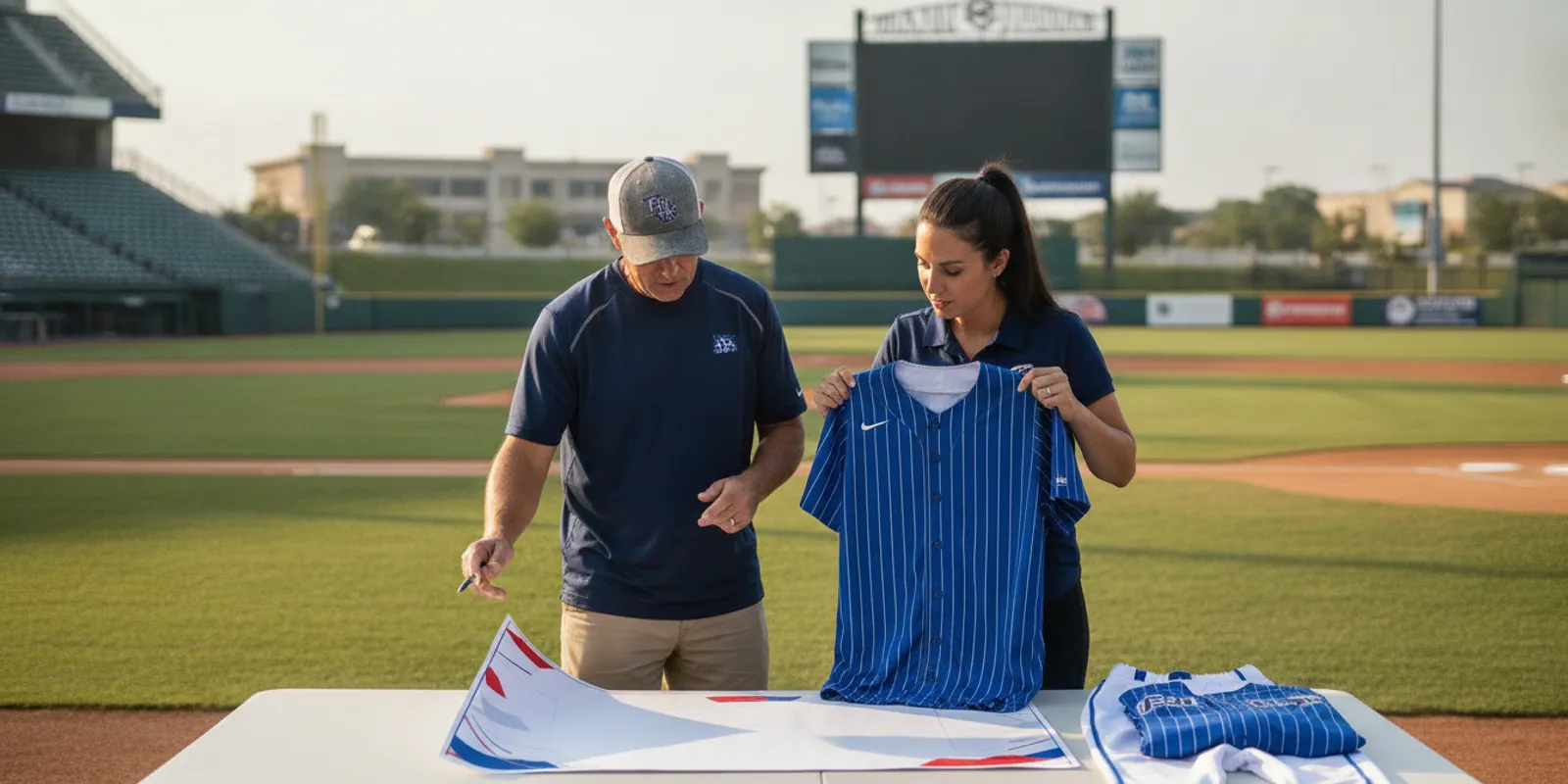
Review the singlet alongside the shorts. Colors that look distinct on a monitor may be less distinct in bright sun or stadium lighting. Keep the main school identifier prominent and remove decorative elements that compete with it. If you use a design tool, the uniform design tool can help organize a visual direction; confirm the final product specifications and artwork with the supplier rather than treating a preview as a production guarantee.
When opinions differ, use a decision matrix. Rate fit, coverage, readability, coordination, and order confidence separately. Set the priorities first: a required coverage or school-branding condition should not be outweighed by several minor aesthetic preferences. If two candidates both satisfy the essentials, choose the clearer proof or the design that fits existing team apparel more naturally.
Keep a written record of the final choice. Note the selected garment, approved colors and artwork, and any details that remain subject to supplier confirmation. This keeps the decision understandable to the athletic director, purchasing staff, athletes, and a future coach handling a replacement order.
What should coaches prepare before requesting a team order?
A strong order request includes the estimated quantity, the plan for collecting sizes, the artwork or school-branding references, and the date uniforms need to be in hand. Work backward from that date to reserve time for school purchasing steps, proof review, and supplier confirmation. A complete request supports a more useful discussion without turning a general estimate into a promise for a specific order.
Begin with a roster worksheet. List each athlete who needs a singlet, whether the size is confirmed, and any likely additions or replacements. Separate known quantities from estimates. Set a deadline for athletes to provide information and another date for the coach to reconcile it. If a runner joins after the count is sent, ask how a change would affect the order rather than assuming it can be added without consequence.
Work backward from the in-hand date, not merely from the first meet. Allow time for the roster to settle, artwork to be reviewed, school purchasing approval, and the supplier to confirm a schedule for the exact products and quantities. Ask what the schedule depends on and what decisions are still outstanding. A general turnaround statement does not establish the delivery date for a particular order.
Prepare current, approved logo files or references. Confirm that the school permits the logo’s use and specify which colors and elements are essential. If the singlet needs to coordinate with shorts, name those pieces in the request. If the team is weighing multiple styles, ask for comparable information on each so the decision is not based on inconsistent assumptions.
Find out who approves artwork, who submits the purchase request, and whether the school requires a quote or purchase-order documentation. Assign one person to gather feedback and send consolidated revisions. The custom track apparel page can help frame product questions, and the Uniforms Express contact page is the appropriate route for discussing a specific team request. Share the target date, approximate count, preferred style, and open questions.
Keep one order folder with the roster, quote, artwork proof, approvals, and supplier messages. A short status column—sizes needed, ready for review, approved, submitted—makes gaps visible. It also gives an athletic director a clear update if plans change or someone else takes over the order.
How should you review a proof and avoid preventable mistakes?
A proof is the opportunity to catch visible differences before production begins. Compare it with the written brief and check every view of the garment. One reviewer can assess the overall design while another verifies names, numbers, colors, and placement. Resolve questions before approval; do not treat silence or an earlier draft as confirmation of the final version.
Use a checklist: school name and mascot are spelled correctly; punctuation is intentional; number placement matches the plan; colors follow the approved references; lettering contrasts with the garment; placement is correct on front and back; and the proof shows the selected style. If personalization is not included, make sure the proof does not suggest that it is. Check that the document title or version clearly identifies the proof being approved.
Judge the artwork at realistic size. A thin outline or small letter may look clear when enlarged on a screen but disappear at normal viewing distance. Step back from the monitor or print the proof at a representative scale. Ask whether the school identifier remains prominent and whether any secondary graphic distracts from it. If the design relies on subtle contrast, ask how the preview represents the selected colors and production method.
Digital previews may not reproduce color exactly on every display. If precise school colors matter, ask how color is specified for production and what reference the supplier will use. Treat the proof as a design approval, not a guarantee that a screen image will look identical in every light. Record unresolved questions and wait for answers before signing off.
Consolidate feedback. Have the coach, athletic director, and any relevant school contact send notes to one person, who can submit a numbered list. When a revision arrives, check each requested change and recheck details that were not supposed to change. Approve the final version in writing and save it alongside the roster and quote. For future seasons, retain the approved artwork and product notes, but confirm current availability and terms again.
How should you plan sizing, timing, and the team order?
Use a backward plan with a named owner for each step: roster count, sizing, design approval, purchasing, and supplier confirmation. Collect sizes using the guidance for the exact garment, reconcile quantities against the roster, and check the final order sheet before submission. This sequence helps coaches catch missing decisions while there is still room to ask questions.
Make sizing private and straightforward. Share the size guidance for the selected style, explain any measurement directions, and provide a clear due date. If samples are available, arrange a consistent process for athletes to try them. Do not assume sizes transfer between different cuts. If a measurement falls between listed sizes, ask the supplier how to interpret the chart instead of applying a universal rule.
Track product, style, size, quantity, any personalization, and approval status on one order sheet. Compare that sheet with both the roster and the approved proof. Keep confirmed quantities distinct from possible late additions. If the school requires purchasing documents, check that the product description and final quantities match across the quote and submission.
If the date is close, state the deadline plainly and request a feasibility check for the exact order. Availability and timing may depend on style, quantity, artwork, and production conditions. Ask what is possible and what terms apply; do not infer a rush schedule or fee from a general statement. Leave a buffer for proof corrections and school approval when circumstances allow.
For broader team-apparel planning, consult Uniforms 101 resources. A team can also review the uniform sizing charts as a starting point, then follow the directions relevant to its chosen garment. Confirm the exact schedule and product details directly for the order.
How can you compare candidate singlets fairly?
Use the same criteria for every candidate and distinguish confirmed facts from items still to verify. This prevents an attractive rendering from carrying more weight than fit evidence or a schedule question. A short comparison can help coaches, athletes, and administrators see the trade-offs and decide which questions must be answered before selecting a style.
Imagine two singlets in school colors. The first has a clean front and readable numbers, but athletes want to check the arm opening. The second has a more elaborate graphic, but the school name appears smaller. Rather than choosing from images alone, test the first garment’s fit if a sample is available and view both proofs at normal size. Ask the same reviewers to consider movement, coverage, legibility, and coordination.
Then apply the team’s priorities. If the first option passes the movement check and the second fails a required readability standard, the decision is clearer. If both pass, the group can decide whether the elaborate graphic adds enough identity to justify its visual complexity. The point is not to give every factor equal weight; it is to make the reasons for the decision visible.
Record the decision and its basis. Note whether each finding came from a sample, product information, a proof, or an assumption. Save the final style and approved proof with the order records. That trail is useful if a delivery question comes up, if a replacement is needed, or if a new coach takes over in a later season.
Frequently asked questions
How should a coach choose a singlet size?
Use the sizing guidance for the exact style and follow its measurement directions. If possible, let athletes assess a sample while moving. Do not rely only on casual shirt size or assume different cuts fit alike. Ask the supplier how to interpret a measurement between sizes.
What design details matter most for a high school team?
Prioritize school colors, readable team identification, any required number placement, and a balanced layout. Check contrast at ordinary viewing size and see the singlet beside the shorts the team expects to wear. Verify school branding requirements before approving artwork.
Which decoration method should a team choose?
Ask which methods are available and suitable for the selected garment and artwork. Review the proof for scale, contrast, placement, and spelling before approving. Do not assume the same method works for every design or fabric.
How early should a team order?
Work backward from the date the uniforms need to be in hand. Reserve time for collecting sizes, school purchasing approval, artwork review, and supplier confirmation. Ask for timing based on the specific style, quantity, and design rather than relying on a general estimate.
How can a school manage the budget?
Set the school’s approved scope and spending limit before requesting a quote. Compare complete options against that scope, including the exact items and quantities. Product and order details affect the quote, so ask for one based on the team’s actual requirements rather than assuming all singlets cost the same.
The right singlet supports confident movement and a unified team appearance, while a clear review and ordering process helps coaches avoid preventable surprises. Define the requirements, check the fit and proof, and confirm the schedule for your team before approving the order.
Comments