


Soccer Team Uniforms Packages: Jerseys, Shorts, Socks, and Reorders

A season opener can arrive quickly, but a team order can still be held up by missing sizes, mismatched pieces, or an unclear approval process. Thoughtful soccer team uniforms packages bring jerseys, shorts, and socks together while giving coaches a clear way to manage the roster, design, and future reorders.
What belongs in a soccer team uniform package?
A useful team package starts with the pieces players need for the match and the details that make them work as a coordinated set. Decide whether the order includes jerseys, shorts, socks, or additional items, then confirm color, decoration, and roster needs together rather than treating each piece as a separate purchase.
Begin by distinguishing the core match uniform from optional apparel. For many programs, the core set means a jersey and shorts, with socks specified as a coordinated component if the supplier offers the style and color the team needs. A second jersey color may be necessary for home-and-away situations, but requirements vary by league and program. Confirm those rules before you choose a design.
Next, identify what each player receives. Does every player get one jersey, one pair of shorts, and one pair of socks, or are substitutes and goalkeepers handled differently? Are there separate goalkeeper colors? Does the coach need a sample or extra piece? Put the answer in writing. A clear package definition helps prevent a quote from covering fewer items than the staff expects.
Use a simple component list before discussing artwork:
- Jersey:
note the selected style, primary and secondary colors, player number, and any approved name or team mark.
- Shorts:
specify the intended color, fit preference, and whether numbers or other decoration are needed.
- Socks:
confirm the color and style available, and whether they are supplied as part of this order or sourced separately.
- Goalkeeper or alternate kit:
list who needs it and how its color should differ from the field-player kit.
- Optional team apparel:
separate warm-ups or other gear from the match package so the core order remains easy to verify.
Uniforms Express offers a custom soccer uniforms path for teams exploring coordinated designs. Check the available product details with the supplier, particularly for the exact combination of jersey, short, and sock styles you want. Do not assume every requested component is bundled automatically.
Keep the package definition consistent across the quote, roster, proof, and final order. If the jersey design changes after the shorts have been selected, revisit the full set: colors that look close on a screen may not appear identical across different materials. One master list gives the coach and supplier a shared reference from the first design conversation through delivery.
How should you choose a package for your roster?
Choose around the team’s real roster and competition needs, not a generic bundle description. Count players, coaches, and any approved extras; identify home, away, or goalkeeper needs; and decide which items are essential. A roster-based specification lets the supplier respond to the actual order instead of leaving important details to assumption.
Start with the confirmed player list, then mark the roles that may require a different color or style. Separate current players from possible late additions. Avoid building the quantity around an informal estimate: a roster that is still changing can create missing pieces or items that do not match. Set a date for the roster to be considered final, and identify one person responsible for updates.
Think through how the team will use the set. A school team with a defined home-and-away schedule may need two shirt colors; a community or travel program may have a different requirement. The right choice depends on competition rules, existing gear, and how the team wants to look together. Check league specifications and ask the supplier to flag any material or color constraint before approving artwork. For international competition, start with the relevant governing body’s current information; FIFA’s official site is a starting point, but confirm the specific rules that apply to your competition.
Do not select components solely by how they appear in a digital mockup. Consider the fit and movement players need, the consistency of the color palette, and how decoration will sit on each garment. If team members have different fit preferences, ask which styles and size ranges are available rather than assuming one cut suits everyone. A team uniform sizing guide can help organize measurements, but use the actual chart for the selected products.
Uniform identity is more than matching colors. Decide which visual elements matter most: a crest, team name, player number, or a distinctive color arrangement. Then keep a hierarchy. If every area competes for attention, the result can feel crowded. A strong, repeatable design is easier to recognize and simpler to reproduce when players join later.
For planning, compare package approaches using the same roster and requirements. The table is a discussion tool, not a claim that every item is available in every combination; confirm current styles and terms with the supplier.
Order approach | Typical contents to specify | Useful when | Details to confirm |
Core match set | Jersey and shorts; socks if included | The program needs a straightforward coordinated kit | Exact pieces, colors, sizes, numbers, and whether socks are part of the order |
Home-and-away set | Two jersey colorways with the required shorts and socks | Competition or team plans call for an alternate look | Which items change between sets and whether numbers remain consistent |
Goalkeeper-inclusive order | Field-player set plus specified goalkeeper pieces | The roster needs a visually distinct goalkeeper option | Goalkeeper quantity, color, style, and decoration |
Core set with optional apparel | Match pieces plus separately listed warm-ups or extras | The team wants broader apparel without obscuring the match order | Separate quantities, sizes, artwork, and approval for each item |
Use the comparison to set priorities, then request confirmation against the live product options. A package name alone is not a complete specification. The item list, roster, and approved design together define what the team expects to receive.
Which roster and sizing details should you gather first?
Collect one accurate roster before the design is approved for production. For each player, record the requested size and number, plus any personalization the team has approved. Assign one coordinator to resolve blanks and duplicates. Reviewing a complete, consistent list early is easier than correcting separate messages after artwork and quantities have been prepared.
Build a roster sheet with one row per player and a clear set of columns. Include the player’s name as the team wants it handled, jersey number, garment size, and any approved name personalization. Add a separate field for goalkeeper or alternate requirements. Keep the order contact and date of the latest update visible, so everyone knows which version is current.
Ask players or guardians to submit sizes using a consistent method. Do not combine measurements taken from different charts or assume that the same letter size fits identically across styles. Direct the group to the chart associated with the selected product, and set a deadline that leaves time for the coordinator to review missing or unusual entries. If sizing is uncertain, ask the supplier what fit information is available before locking the order.
Numbers deserve a separate check. Scan for duplicate numbers, number changes, and formatting differences such as a leading zero. Confirm the final number with the player and the coach’s official roster. If names appear on garments, standardize spelling, capitalization, and any character limits before sharing the list for proofing.
Consider keeping two files: a private roster with the information the program needs to manage players, and a production sheet containing only the details required to make the uniforms. Limit access to each file to the people who need it. Use a clear version label, and send changes through the coordinator instead of letting several people edit different copies.
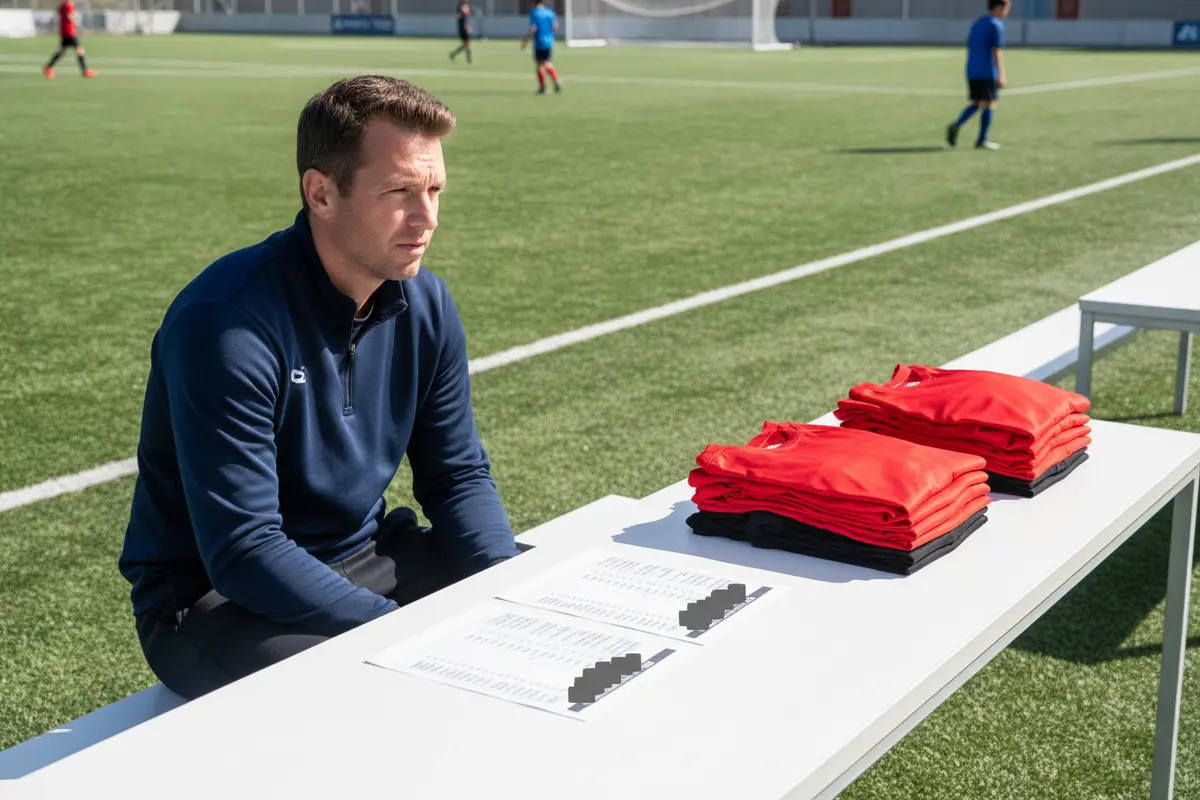
Before moving to proof approval, reconcile the roster in three passes. First, count each item and compare totals with the number of players. Second, verify sizes, numbers, and names row by row. Third, check that any separate goalkeeper or alternate pieces are listed explicitly. The online uniform design tool may help teams explore visual options; use the supplier’s current process to confirm how the final roster connects to the order.
Keep the final reviewed sheet alongside the approved design. If the team later asks for a replacement or another player joins, the coordinator can refer to the original details rather than reconstructing them from memory. That record supports consistency, but it does not guarantee that a product, style, or color will remain available unchanged; verify availability when placing a later order.
How do you coordinate design, colors, and decoration?
Coordinate design across the whole package before approving any individual item. Use one agreed color palette, one source file for team artwork, and a consistent placement plan for marks and numbers. Reviewing the jersey, shorts, and any included socks together can reveal mismatches that are easy to miss when each piece is considered separately.
Begin with the team’s essential identity elements. Decide which colors are mandatory, which may be adjusted for contrast, and where the team mark should appear. Share clean, approved artwork if it is available. Tell the supplier which details are fixed and which are open to a design recommendation. This distinction helps the first design round stay focused.
Ask to review a complete visual proof, not just a close-up of the jersey front. Check front and back views, sleeve or side details, shorts, and any alternate or goalkeeper version. Verify every logo, word, number, and color. A small error in a name or number can affect one player; an incorrect shared color or crest can affect the entire team.
Use a proof checklist:
Is the team name spelled and capitalized correctly?
Are player numbers legible and consistent with the approved roster?
Does the artwork use the current team mark rather than an old version?
Do the jersey and shorts look coordinated as a set?
Are alternate and goalkeeper colorways clearly identified?
Does each garment show the intended location and scale of decoration?
Keep design notes consolidated. One coach or manager should gather feedback, resolve conflicting preferences, and return a single marked-up response. Avoid approving one component while another is still being changed. If a revision affects the palette, logo, or number style, review the full set again before sign-off.
Decoration methods and product construction can shape the final appearance. Uniforms Express describes its custom decoration capabilities, including screen printing, embroidery, heat press, tackle twill, and sublimation. Which method is appropriate depends on the garment, design, and available product options, so ask the supplier to explain the fit for your artwork rather than treating any method as universal. This uniform planning resource offers a useful starting point for questions to raise.
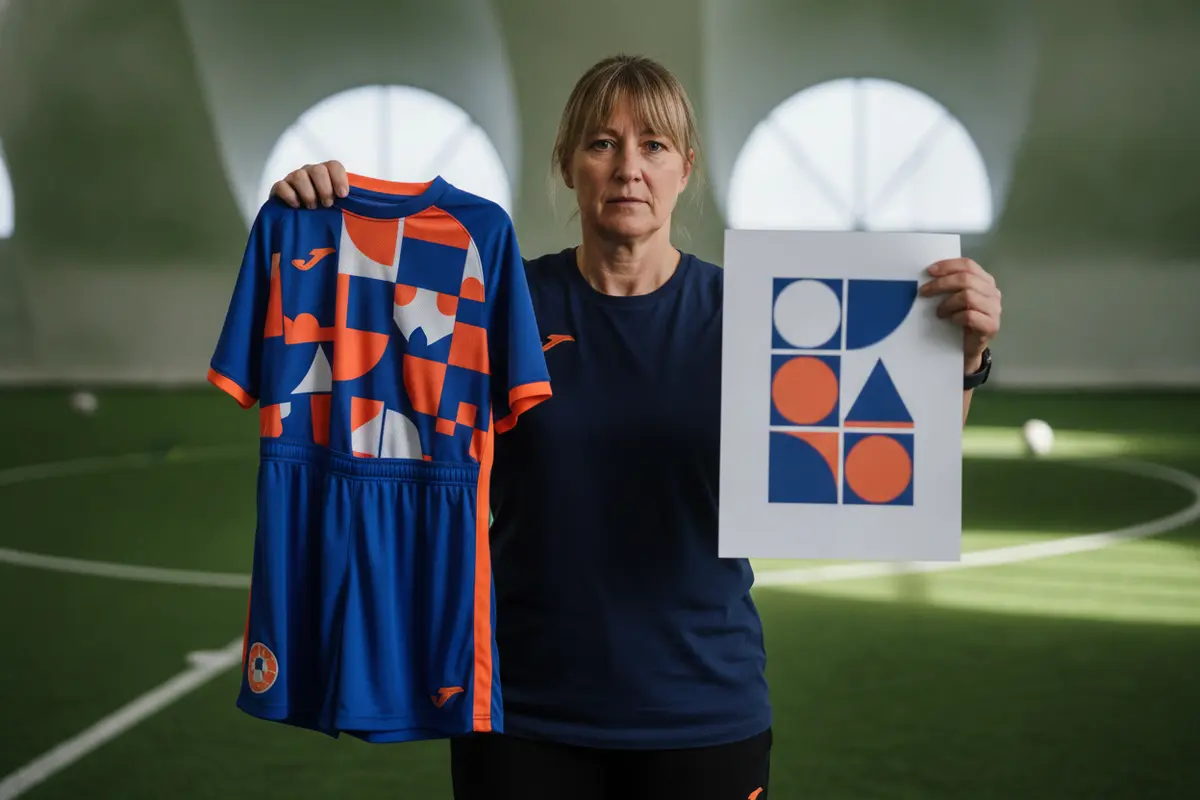
After approval, save the proof with the date and the matching roster version. Make it clear to the team that the signed-off proof is the reference for production. If anyone requests a change after approval, ask how the change affects the order and obtain an updated proof before treating it as final.
When should a coach place the order?
Plan backward from the date players must have the uniforms, not just the first match. Leave room for roster collection, design review, revisions, order confirmation, production, shipping, and a final check. Ask the supplier for a current timeline tied to the exact products and quantities, because turnaround can depend on order details and workload.
Start by identifying the firm deadline: the date uniforms need to be in hand and checked, not merely the opening fixture. Work backward and reserve separate time for tasks the team controls. A simple sequence is to confirm league requirements, settle the package, collect sizes and numbers, review the proof, approve the order, and allow the supplier’s stated production and delivery window.
Ask for timeline guidance once the order details are specific enough to discuss. State the requested pieces, approximate quantity, decoration needs, and deadline. Ask when the supplier needs the final roster and approved artwork, when the order can enter production, and what delivery estimate applies. Do not rely on a general turnaround statement without checking whether it covers your order’s exact styles and circumstances.
Build in a buffer for decisions and corrections. If the first proof has a spelling error or the roster is missing sizes, the calendar can move. Assign a person to answer supplier questions promptly, and set internal deadlines earlier than the supplier’s final cutoff. If the season is close, explain the actual date immediately and ask what options are feasible; do not assume rush timing or pricing without written confirmation.
Keep a basic milestone tracker:
Record the date the team needs uniforms and the reason for that deadline.
Confirm product choices, quantities, and current estimated timing with the supplier.
Set internal due dates for the roster and artwork.
Review and approve one complete proof.
Confirm the order details and delivery expectations in writing.
Check the received pieces against the order before distributing them.
The timeline depends on complete information as much as the calendar. A late design change, uncertain quantity, or unconfirmed style may require a new check. Keep communication in one thread or document so the coordinator can track what was requested and what the supplier confirmed.
For help mapping an order to the team’s season, contact Uniforms Express through its team inquiry page. Share the deadline and requirements early enough for a useful discussion. A conversation is a way to confirm options and timing, not a substitute for an order-specific commitment.
How can you make reorders easier next season?
A reliable reorder starts with a clean record of what the team actually approved and received. Save the final product details, artwork, color references, roster version, and supplier correspondence together. When a new player joins or a replacement is needed, use that record to request a match, then verify that the original items remain available before promising an identical repeat.
Create a compact uniform file at the end of the order. Include item names or style identifiers, color selections, decoration locations, the approved proof, number and name conventions, and the date the supplier confirmed the order. Keep the final roster separate from drafts. If a change was made during production, note the final version rather than preserving only the first mockup.
Record what the team learned, too. Did the roster arrive complete? Did players need a different size than expected? Were names and numbers checked correctly? Did the package include all pieces the coach expected? These notes help the next coordinator ask better questions. They are not a substitute for checking current product options, since a later season may have different availability or requirements.
For additions, provide the supplier with the original reference and identify exactly what is needed: the item, size, number or name, and desired date. Ask whether the same style, fabric, color, and decoration can still be ordered, and whether minimum quantities or other ordering conditions apply. Do not assume that a former design file guarantees a perfect match after time has passed.
Reconcile the new request with the current roster. Remove departed players from internal planning, add new players only after their details are confirmed, and keep team inventory separate from individual replacement needs. If the team expects recurring additions, ask at the initial order what records or specifications will make future inquiries clearer.
A uniform catalog request can help the staff review available product information as it plans a future order. When you are ready to discuss the specific package, use the appropriate soccer uniform product page as another route to explore the range. Confirm that any page or saved artwork reflects what is currently offered before relying on it for a reorder.
What should you check before approving the order?
Approve only when the package, roster, proof, and timing agree. The coach or designated coordinator should be able to match each ordered item to a player or team need, verify the artwork against the approved design, and explain what delivery timing the supplier confirmed. If any of those references conflict, resolve the mismatch before sign-off.
Use a final order review with four parts. First, compare quantities and components with the roster. Second, check sizes, numbers, names, and any alternate pieces. Third, compare the proof against the team’s current artwork and color decisions. Fourth, confirm the order terms, delivery estimate, and the person responsible for follow-up.
Ask another person to review the details if possible. A second set of eyes can catch a transposed number, omitted goalkeeper piece, or mismatch between a roster update and an older proof. The reviewer should work from the same final version as the supplier, not a screenshot or an earlier draft kept in a separate message.
Keep a written record of approval and any important conditions. Save the proof, roster, order confirmation, and timeline information where the next team coordinator can find them. Once the order arrives, count and inspect the pieces against those records before distributing them. Report any discrepancy promptly through the supplier’s stated support process.
If the team is not ready to approve, note what remains unresolved and who will settle it. Common open items include missing sizes, a disputed color choice, unconfirmed sock availability, or an unclear delivery estimate. A short punch list keeps the decision moving without treating an incomplete order as final.
Frequently asked questions
These practical answers cover common package decisions coaches face before sending a team order. Product options, sizing, decoration, production timing, and final order terms can differ, so confirm details for the specific garments and roster rather than relying on assumptions or a past season’s order.
What should a soccer team package include?
Start with the match pieces the team needs, usually a jersey and shorts, and determine whether socks are included or sourced separately. Add alternate or goalkeeper items only if the program needs them. Ask the supplier to confirm the exact products, quantities, and available combinations in the current order.
How should players choose uniform sizes?
Use the sizing information for the selected product and gather each player’s size through one consistent process. Ask the supplier for guidance if a player is between sizes or needs a fit accommodation. Review the complete list before approval; do not assume sizes transfer exactly between different garment styles.
Which decoration should we choose?
Choose decoration based on the garment, design, and available methods. Share the team’s approved artwork and ask the supplier which options suit the requested product. Before sign-off, inspect the full proof for spelling, color, number placement, and consistency across jersey, shorts, and any alternate pieces.
How far ahead should we order?
Work backward from the date uniforms need to be in hand, and ask the supplier for a current estimate for the exact items, quantity, and decoration. Include time for roster collection, proof revisions, production, and delivery. If the deadline is close, state it up front and confirm any available timing in writing.
How can a team plan its uniform budget?
First define the required package, quantities, and optional pieces. Request an order-specific quote and compare like-for-like items, including any decoration or additional requirements. Prices and terms can change, so confirm current details with the supplier rather than planning from an old quote or assuming that extras are included.
When coaches define the full set, verify the roster, and approve one complete proof, they make it easier to order a coordinated uniform package and to revisit the details when the team needs additions in a later season.
Comments