


Tackle Twill vs Sublimation vs Screen Print: Which Decoration Method Is Right for Your Team?

Selecting the wrong uniform decoration ruins a season with peeling numbers or heavy fabrics. Coaches need high-quality gear that lasts past the final tournament game. Making the right choice before production begins ensures your athletes look and play like professionals.
Each decoration method has its own strengths and weaknesses for different sports. You need to know which option fits your roster and budget before placing your order. To make the best choice, you should first look at What Is Tackle-Twill Lettering?
What Is Tackle-Twill Lettering?
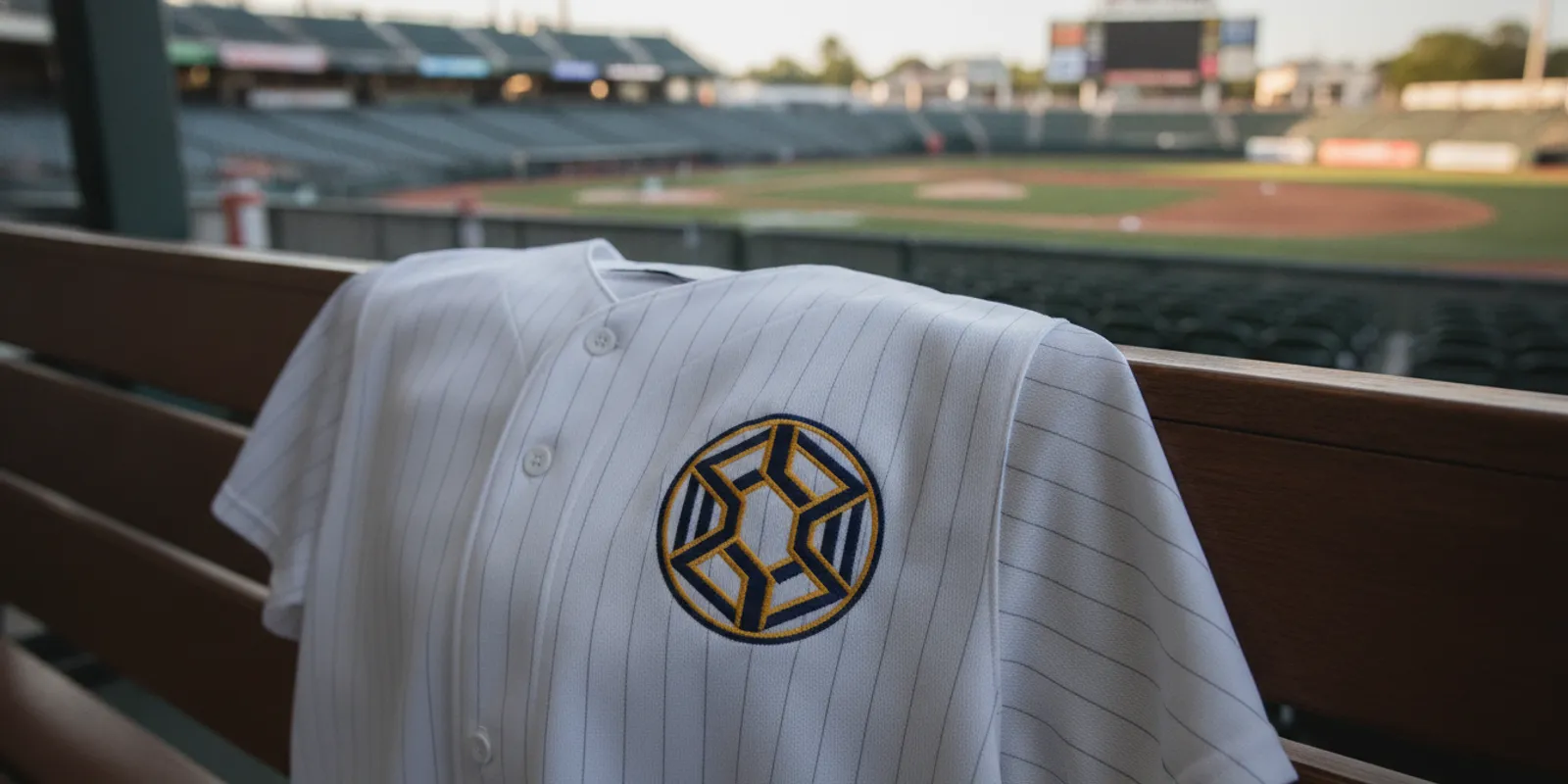
Tackle-Twill lettering is a premium method where laser-cut twill fabric is heat pressed and stitched onto team uniforms. This technique creates a raised, 3D look favored by pro leagues for its bold, classic appeal. It is durable, weighs 220-300 GSM, and is more affordable than full embroidery.
How tackle-twill uniforms are made
The tackle-twill process starts with cutting the design out of a base material. Custom shops use precise lasers to cut twill fabric, which is usually made of nylon or polyester. Workers then heat press these pieces onto the uniform jersey to hold them in place. Once the design is pressed, workers sew around the edges of the patches to secure them. They use a zigzag or satin stitch to lock down the edges.
This sewing technique uses a low stitch count to attach the heavy fabric. To ensure the jersey lasts through tough games, we add reinforcement stitching at all main stress points. Contrast this with other methods that use print processes. In some print methods, ink bonds within fabric at a molecular level. This is shown in this dye sublimation guide. But tackle-twill uses physical fabric layers to build a tough, clean design.
The classic pro-sports look
Tackle-Twill gives team gear a bold, classic style. It creates a raised, 3D look that stands out on the field. This style is highly popular with pro sports teams. In fact, teams in the MLB, NFL, and NHL use this method. They choose it for official game jerseys to get a clean style. It looks sharp from the stands and on TV.
Coaches choose this classic look to build team pride. At Uniforms Express, we make and supply these uniforms directly to teams. We offer our tackle twill lettering service for baseball, football, and hockey uniforms. Because we own our own factories, we can guarantee fast turnaround times for your team.
Weight and budget advantages
When comparing tackle twill vs sublimation, the twill fabric weight typically ranges from 220 to 300 GSM. This weight makes the material heavier than sublimated fabrics. Because of these fabric layers and stitching, a tackle-twill uniform has a sturdy feel. It is a heavy-duty jersey built for rugged sports.
Choosing tackle-twill is also a smart way to manage your team budget. This method is more affordable than full-scale embroidery. It uses a lower stitch count while still creating a bold 3D look. You get a pro-style uniform that projects strength without the high price of embroidery. All jerseys from Uniforms Express carry a lifetime warranty. This protects your order for years to come.
How Does Dye Sublimation Work for Custom Uniforms?
Dye sublimation is a digital printing method that uses heat and pressure to bond ink directly into fabric fibers. This process creates lightweight, full-color designs that will not fade, peel, or crack. It is the best choice for custom jerseys with complex, multi-color patterns.
The Science of Subsurface Bonding
Old print methods lay heavy ink on top of a shirt, but dye sublimation puts colors inside the yarn. The system uses heat and pressure to turn solid dye into a gas that binds with the synthetic fibers. The process creates a strong molecular bond that fuses the design with the thread.
To get crisp lines and exact team colors, uniform makers must control print settings with care. Under high heat of 180 to 205 degrees Celsius, fabric pores open wide to receive the dye. A study at Clemson University shows that heat levels are critical because small shifts can alter how fibers absorb the gas. Good setup ensures that team colors look bold and match your school brand on every jersey.
Why Fabric Choice Matters
For dye sublimation to work, you must print on the right type of cloth. The process requires polyester fabric or synthetic blends to get excellent results. Natural threads like cotton or wool do not have the polymer chains needed to bond with the gas. If you try to sublimate natural fibers, the ink will not stick and the design will quickly wash out.
Most sublimated team gear uses a fabric base of 100 percent polyester interlock or mesh. This cloth usually weighs between 140 and 180 grams per square meter. The synthetic weave is strong but lets air flow to keep players cool because the mesh pores stay open. This allows the fabric to breathe better than shirts with thick, solid screen prints or heavy twill patches.
Performance Benefits for Athletic Teams
When comparing tackle twill vs sublimation, weight and feel are key. Sublimated uniforms offer major benefits on the field. Since the ink fuses with the threads, there is no raised texture on the shirt and the design becomes part of the cloth itself. Your jerseys will remain lightweight and soft, which helps athletes move fast on the field.
Also, sublimation allows for full-color designs with no color limits, letting you print complex logos and bright patterns on the fabric. Best of all, the print will not fade, chip, or peel, even after many washes. For teams that want a classic look but need modern performance, we offer custom baseball jerseys built to last. The print stays vibrant all season long, which keeps your team looking sharp.
What Is Screen Printing for Team Uniforms?
Screen printing is a classic method that presses ink through a mesh screen onto fabric. It is the best choice for large bulk orders with simple, few-color designs. While less tough than other methods, it is ideal for practice gear, tournament t-shirts, and leagues with tight budgets.
The screen printing process
The screen printing process starts with a stencil on a fine mesh screen. Pressing ink through the mesh transfers the design onto the garment. This method places a thick layer of ink directly on top of the fabric. It differs from dye sublimation, which fuses ink deep inside the fabric fibers.
When coaches choose custom uniforms, they often compare tackle twill vs sublimation to find the right fit. Screen printing offers a simpler style. It is highly useful when you need to print the same large logo on many shirts quickly. Each color in the design needs its own screen, so simple designs work best.
Cost benefits for bulk orders
For large team orders, screen printing is the most budget-friendly option. The setup process takes some work, but printing each extra shirt is fast and cheap. This makes it perfect for youth leagues with limited funds. Coaches can explore our uniform buying guide to compare custom jersey styles for their programs.
If your design has only one or two colors, screen printing keeps costs low. It is the top choice for practice jerseys, camp t-shirts, and local fan gear. As a direct uniform manufacturer, Uniforms Express offers custom screen printing to help teams secure quality jerseys without middleman markups. We help you stay on budget while keeping your team looking sharp.
Durability and fabric choices
Screen printing works well on both 100% cotton and polyester blends. This makes it work well for a wide range of team gear. But because the ink sits on top of the fabric rather than in it, the design is prone to wear. Over time, the print can crack or fade from heavy use and hot dryer cycles.
If durability is your main goal, screen printing may not be the best choice. Unlike other methods where ink bonds with the fabric, screen print ink sits on top of the material. In contrast, sublimation fuses ink at a sub-surface level, as shown in the City of San Diego dye sublimation guide. For high-use game uniforms, high school programs often choose stitched twill or sublimation.
Tackle Twill vs Sublimation vs Screen Print: Side-by-Side Comparison
Coaches and team managers must choose the right decoration method for their new gear. This choice impacts the budget, the weight of the jersey, and how long the gear lasts on the field. To choose between tackle twill vs sublimation, you must look at how each method puts design onto the fabric. Screen printing is a third option that works well for basic needs, but each method has clear benefits depending on your sport and budget.
Performance and design limits
Tackle-Twill uses pre-cut pieces of fabric that we sew down onto the uniform. This method adds weight because of the extra fabric and stitching. A standard twill patch has a fabric weight of 220 to 300 GSM, which gives a bold, classic look. Pro teams often use this style because it is tough and looks great, but these heavy layers can make the jersey feel stiff.
Dye sublimation takes a new path. It is a print process that uses heat and pressure to bond ink into the fibers. The ink becomes part of the cloth at a molecular level, as shown in dye sublimation guides. Because the ink is inside the fabric, the design will not fade, chip, or peel, which keeps the jersey lightweight for fast sports.
Manufacturing costs and lifetime value
Cost is a major factor when buying custom gear. Screen printing is the cheapest path for bulk orders of simple t-shirts or practice jerseys. But for game uniforms, you must look at long-term value because Tackle-Twill needs skilled sewing. It lasts for years, so you do not have to buy new gear every season, and sublimation has no setup fees for extra colors.
To make the best plan for your budget, read our uniform buying guide to see how to plan your order. Choosing the right method will keep your costs low while giving your team a pro look. Direct makers can help you compare these options to get the most value for your league.
The best choice for your team
In the end, your sport should guide your path. Tackle-Twill is the top choice for contact sports like football and baseball where jerseys take a beating. Dye sublimation is the clear winner for basketball and soccer where light, soft fabric is key, so think about the pace of your game. If you want to check print quality, take the free uniform challenge before you buy to ensure your players perform at their best.
Which Uniform Decoration Method Is Best for Your Team?
Quick Answer: Choosing between tackle-twill, dye sublimation, and screen printing depends on your sport, budget, design needs, and how long they must last. Tough sports like football favor tackle-twill, while fast sports do well with light sublimation. Budget leagues often select screen printing for basic gear.
Key Factors for Custom Uniforms
Coaches and team leaders must look at many factors when they buy team uniforms. The choice of tackle twill vs sublimation often comes down to the on-field needs of your sport and your team budget. For 30 years, Uniforms Express has helped schools and clubs select the right gear.
Simple Steps for Team Choice
Finding the perfect match helps build team pride and keeps your jerseys in play. Follow this simple four-step process to select the best style for your players and budget.
- Find your sport:
Tough sports like baseball and football often need heavy, rugged uniforms. Most pro teams choose Tackle-Twill to get a bold, classic, 3D look on the field. Fast sports like soccer and basketball need a lighter weight uniform to help players move. Sublimation is best for these fast sports.
- Consider your budget:
Screen printing is the most budget-friendly option for large youth leagues. Tackle-Twill is a great mid-range choice that costs less than full embroidery because it uses fewer stitches. Sublimation has a higher upfront cost but gives you a premium, long-lasting uniform.
Check design needs:
Simple designs with one to three colors are perfect for screen printing. Classic letters and numbers are best suited for Tackle-Twill. For bold, full-color logos, sublimation is the clear winner because the process prints directly into the fabric. The ink bonds at a deep level in polyester fabrics, as shown in a
dye sublimation guide from the City of San Diego
.
- Factor in wear and tear:
Tough sports need the rugged finish of Tackle-Twill, which is sewn onto the jersey to handle hard hits. For long seasons, sublimated shirts are great because the strong molecular bond prevents fading, chipping, or peeling. If you only need jerseys for a short rec season, screen printing offers a quick and simple way.
Guidance for Sports Directors
Sports directors who run many sports often use a mix of these methods across their teams. You can select two styles for your varsity and junior varsity groups to balance quality with your school budget. Getting a direct team quote can help you compare your choices.
Can You Combine Decoration Methods on One Uniform?
Yes, many pro and college teams combine different uniform decoration methods to get the best results. A hybrid jersey uses a sublimated fabric body with sewn Tackle-Twill numbers and letters. This gives players a lightweight jersey with a bold, 3D pro-style finish.
The hybrid jersey approach
Many pro and college teams do not limit themselves to just one style. They choose a hybrid approach to build the best team jersey. By mixing methods, you can get a uniform that is both light and strong. This style is very common in sports like baseball, football, and hockey.
A team can start with a sublimated jersey body. Dye sublimation uses heat and pressure to transfer ink into polyester fabric. This creates a lasting molecular bond where the ink becomes part of the cloth. This sub-surface bond keeps your graphics bright and clean.
As shown in a dye sublimation guide from San Diego, this bonding process means the design will not fade, chip, or peel. The result is a lightweight jersey built for tough action. It keeps players cool while keeping a sharp look on the field.
How teams mix these methods
Once the sublimated body is ready, the maker adds the lettering. This is where the choice of tackle twill vs sublimation comes together. To build a hybrid uniform, workers sew heavy Tackle-Twill numbers and player names on top to get a raised, 3D look. Tackle twill involves cutting pieces of nylon fabric and stitching them down onto the jersey surface.
There is also a second type of hybrid jersey for budget teams. Instead of sewing heavy patches, you can use sublimated panels for numbers and screen print the team logos. This method is great for school sports leaders who need to buy in bulk. It keeps the cost low but still gives the team a custom, bright style.
Cost and value of hybrid uniforms
Hybrid uniforms do cost more than standard printed jerseys. Sewing tackle-twill parts onto a sublimated body takes more time and skill. This extra work raises the upfront price, but the value is clear on the field. You get a pro-grade jersey that lasts for many years of tough play.
Because we are a direct maker with our own shops, Uniforms Express cuts out the middleman to lower costs. You can read our uniform guide to learn about our design process. Every jersey we make includes our lifetime warranty, so you know your purchase is safe. Coaches can request a free quote to find the perfect fit for their program.
Frequently Asked Questions
Is tackle twill considered high quality?
Yes, Tackle-Twill is the highest quality method for team jerseys. It is the top choice for pro sports leagues due to its bold, raised look. A nylon patch is cut, heat-set, and sewn to the shirt. According to Locker Room Sports Apparel, this process creates a rugged finish that outlasts standard print designs.
Can I sublimate on twill?
Yes, you can sublimate on polyester twill to make high-detail patches. According to a City of San Diego guide, sublimation ink is designed to bond with polyester. This process lets you print complex logos and sew them onto the jersey for a classic look.
Is a sublimated jersey better than embroidery?
It depends on your team's needs. Sublimation is best for light jerseys with complex art because the ink bonds deep in the fabric. According to a City of San Diego guide, this heat process keeps the design from fading or peeling. Embroidery looks great but is too heavy and stiff for game jerseys.
Is tackle twill better for football uniforms compared to sublimation?
Yes, Tackle-Twill is often better for football. Football is a high-contact sport that needs tough jerseys. According to Locker Room Sports Apparel, twill is sewn onto the fabric for a rugged, authentic finish. Sublimation is too light and is better for non-contact sports like basketball.
Ready to Order Your Next Custom Team Uniforms?
Waiting to place your order can cause major shipping delays and leave your team without matching gear for their first game. Starting your design today ensures your custom jerseys are made to your exact specs and delivered well before season kickoff. Whether you choose premium Tackle-Twill lettering, vibrant sublimation, or classic screen printing, we have you covered. Since we make all of our team uniforms in our own factories, we promise fast delivery and total quality control. We also provide team branding consultations to help you choose the right decoration for your specific sport and program goals. Every jersey comes with our signature lifetime warranty so your program gets durable uniforms that last for many seasons.
Ready to book? Call (888) 661-7044 to get a quote for custom team uniforms.
Comments